What Yard Drainage Actually Covers
Yard drainage is the broad category that includes almost every residential water problem outside the home — puddles on the lawn, soggy areas, water at the foundation, runoff from a neighbor's property, and water crossing driveways or patios. It's less about a single product and more about how the water moves.
Because every property is different, a good yard drainage plan starts with looking at the whole picture: yard slope, downspout locations, low spots, hard surfaces, and where the water is trying to go.
Common Signs You Have a Yard Drainage Problem
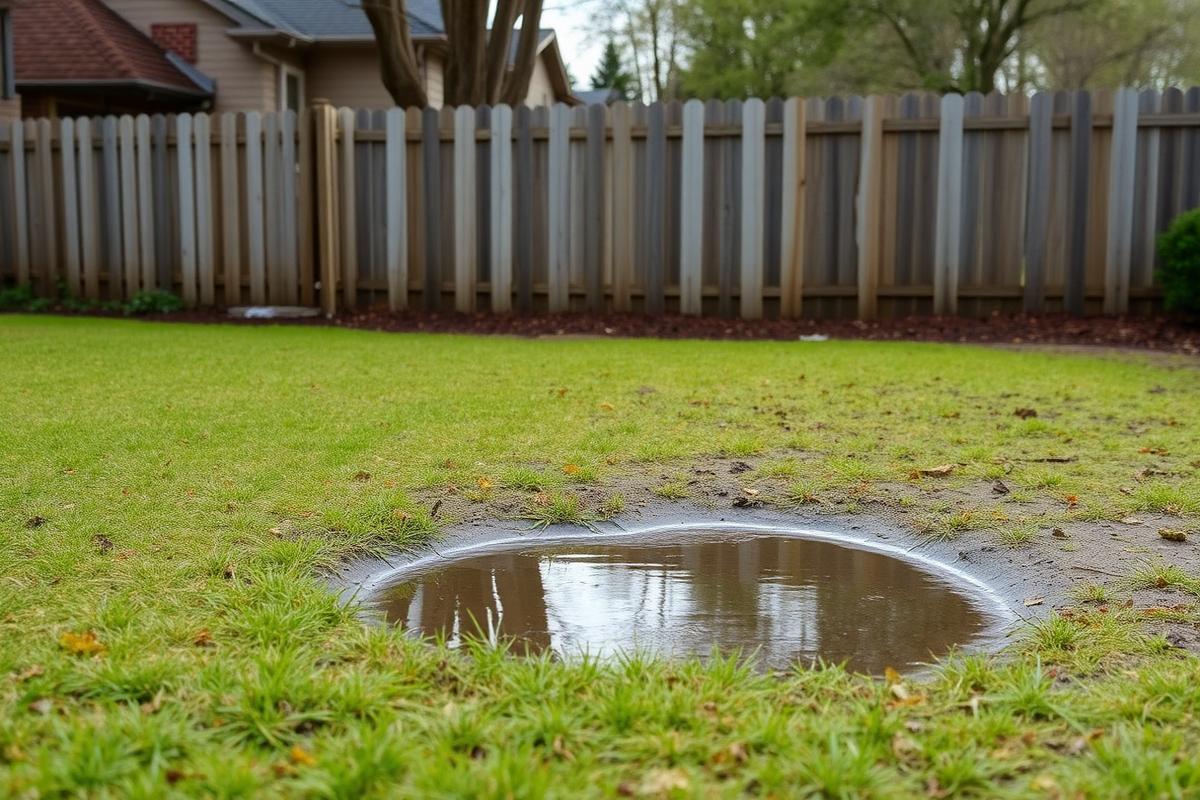
- Standing water in the yard hours or days after rain
- Muddy or spongy grass in the same areas each season
- Water pooling near the foundation or basement wall
- Downspouts discharging water onto the lawn or next to the house
- Runoff crossing patios, walkways, or driveways
- Erosion, bare patches, or exposed roots
- Recurring lawn damage in low areas
Common Causes
- Yard slope that pushes water toward the home instead of away from it
- Concentrated roof runoff dumping in one spot
- Low areas where water naturally collects
- Compacted soil that no longer absorbs water well
- Existing drainage lines that are broken, crushed, or clogged
- Water flowing in from surrounding properties
How Yard Drainage Is Usually Corrected
Depending on what's actually causing the water problem, the fix might involve reshaping the surface, adding underground drainage, moving roof runoff further from the home, or a combination.
- Regrading to move surface water away from the house
- French drains to intercept and redirect subsurface water
- Catch basins at low points where surface water collects
- Underground downspout drainage to move roof water well past the foundation
- Trench drains where runoff has to cross hard surfaces
When to Request an Assessment
If the problem shows up every time it rains, keeps damaging your lawn, or is starting to affect the area near the house, it's worth having someone look at it in person. An on-site assessment is the only way to recommend the right combination of drainage improvements for your specific property.
Not sure whether to tackle it yourself or bring in a pro? Read our DIY vs. Professional Yard Drainage guide for a plain-English breakdown of when each approach makes sense.